💄 Makeup & Beauty
The makeup and beauty market is vast, and it's easy to feel overwhelmed by choices ranging from multi-palette sets to nail care kits and specialty mirrors. This guide breaks down the most important product types, explains what genuinely matters when shopping, and helps you avoid the most common mistakes — whether you're buying for yourself, a beginner, or as a gift.


Understanding the Main Product Categories
Makeup and beauty products broadly fall into a few distinct groups, and knowing which category you actually need saves both money and frustration. Core makeup covers complexion products (foundation, concealer, blush), eye products (eyeshadow, eyeliner, mascara), and lip color. These are often sold as combination sets or palettes, which can offer good value but vary wildly in quality.
Hair care within the beauty segment typically means styling tools, masks, oils, and specialized treatments rather than everyday shampoos. Nail care covers polishes, base and top coats, nail files, cuticle oils, and complete starter kits. Brush sets and applicators are cross-category essentials — the quality of your tools affects results just as much as the products themselves. Finally, makeup mirrors (with or without lighting) are a often-overlooked purchase that dramatically affects how accurately you can apply any product.
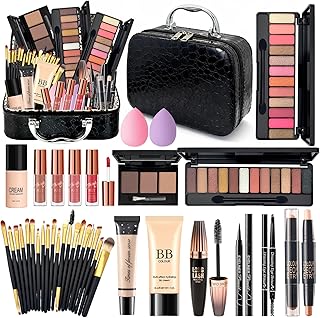
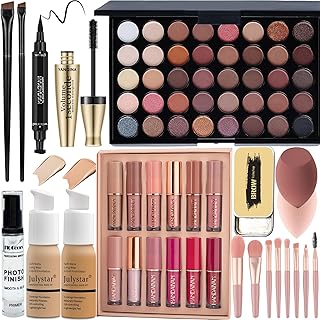
For beginners or gift purchases, all-in-one sets like the UCANBE 86-color palette or the ZMILE COSMETICS Eye-Catcher kit offer a broad range of products at a single price point and are useful for exploring preferences before committing to premium individual items.
Key Buying Criteria to Evaluate Before You Purchase
Pigmentation and formula quality are the most important factors in makeup. A highly pigmented eyeshadow shows true color with one or two light passes; a poorly pigmented one requires heavy layering and still looks dull. Unfortunately, pigmentation is hard to judge from product photos alone — ingredient lists, independent swatches, and verified buyer reviews are your best sources.
For skin products like foundations and concealers, shade range and undertone matching matter enormously. A product with only 10 shades will leave many skin tones without a proper match. Check whether a brand offers neutral, warm, and cool undertones across a range from very light to deep.
With brush sets, the key variables are bristle material (synthetic vs. natural hair), density, and ferrule construction. Synthetic bristles have improved significantly and work well with cream and liquid products. Natural hair bristles still perform well with powders but require more careful cleaning. Avoid brush sets where bristles shed heavily from the first use — this is a sign of poor ferrule crimping and a common issue in very low-cost sets.
For lit makeup mirrors, check the color rendering index (CRI) of the built-in light. A CRI of 90 or above mimics daylight accurately enough for reliable color matching. Magnification (typically 5x or 10x) is useful for detail work like brow shaping or eyeliner, but should complement, not replace, a standard full-view mirror.
Who Should Buy What: Matching Products to Needs
Complete beginners and younger users benefit most from sets rather than individual products. Sets provide variety at a lower per-item cost and reduce decision fatigue. Products like the Anpro Schminkset or the Make Up Set für Frauen around the €20–€40 range are reasonable entry points. For children's play makeup, specifically look for products labeled as dermatologically tested and free from parabens and heavy metals — the Kinderschminke sets marketed as toys should meet EU toy safety standards (EN 71), which is worth confirming in the product listing.
Intermediate users who already know what suits them are usually better served buying hero products individually. A single high-quality blush or a well-made eyeshadow quad from a reputable brand will outperform the same category item inside a bulk set. At this stage, investing in a quality brush set and a proper mirror pays off more than buying yet another large palette.
Professional or semi-professional users should prioritize longevity, hygiene, and performance under different lighting conditions. Long-wear formulas, setting sprays, and sanitary single-use applicators become relevant. For these users, price-per-use is a more meaningful metric than upfront cost.
Common Buying Mistakes and How to Avoid Them
Buying too much variety too soon is the most frequent mistake. A 78- or 86-color eyeshadow palette sounds appealing, but the reality is that most people regularly use 8–12 colors. Larger palettes often fill extra slots with redundant or low-quality shades. A smaller, well-curated palette typically delivers better results per shade.
Ignoring skin type and formula compatibility is another common error. Matte foundations tend to emphasize dry patches; dewy or satin finishes can look greasy on oily skin. Similarly, oil-based products don't layer well over water-based ones without a primer. Before buying, it's worth spending five minutes reading the product description for formula type.
For gift purchases, avoid assuming preferences. A safe approach is to gift tools (a quality brush set, a lit mirror, or a nail care starter kit) rather than color cosmetics — tools are largely universal, while shade and formula preferences are very personal.
Finally, don't overlook packaging durability. Powder products with thin plastic pans crack easily if dropped. Magnetic closures on palettes and sturdy hinges on mirrors are worth checking in reviews, particularly for products that will be used daily or carried in a bag.
Care, Hygiene, and Longevity Tips
Makeup brushes should be spot-cleaned after every use with a fast-drying brush cleaner, and deep-cleaned with a gentle brush shampoo or mild soap once a week if used daily. Lay them flat or bristle-down to dry — standing them upright while wet allows water to seep into the ferrule and loosen the glue over time, which causes shedding.
Powder products (eyeshadows, blushes, highlighters) last 18–24 months if stored away from humidity and direct sunlight. Liquid and cream products — especially mascara and liquid eyeliner — should be replaced every 3–6 months to prevent bacterial buildup. Always check for changes in smell, texture, or color as indicators of expiration, regardless of the printed date.
Nail care tools like metal cuticle pushers and nail clippers should be sanitized with isopropyl alcohol between uses, especially when shared. Nail files wear down with use and are difficult to sanitize thoroughly; replace disposable emery boards regularly.
Makeup mirrors with lighting should be wiped down with a lightly damp microfiber cloth. Avoid harsh cleaning sprays near LED strips. For mirrors with USB or battery power, check that the power port stays free of makeup dust, which can accumulate and cause connectivity issues over time.
Honest Price-Performance Assessment
In the €15–€30 range, you can find functional makeup sets and palettes that are appropriate for casual use, gifting, or first-time exploration. Products in this range like the UCANBE palette or ZMILE kit offer reasonable variety but may show inconsistencies in pigmentation or longevity. They represent fair value for the price as long as expectations are calibrated accordingly.
The €30–€60 range is where mid-tier individual products and better-constructed sets live. A quality synthetic brush set, a decent lit mirror, or a focused eyeshadow palette from a more established brand typically falls here. This is often the best value zone for users who have moved past the beginner stage.
Above €60, you enter the territory of professional-grade tools and prestige cosmetic brands. The performance gains are real but incremental — a €90 foundation may offer better longevity and skin-like finish than a €20 alternative, but the difference won't be visible in every lighting condition or to every observer. For most everyday users, spending wisely in the mid-range and focusing on one or two quality tool investments will deliver more satisfaction than premium products across the board.
Frequently asked questions
- Are large eyeshadow palettes with 50+ colors worth it for beginners?
- They can be a cost-effective way to explore colors, but quality is often uneven across shades. Beginners tend to get better results from a smaller palette of 12–20 well-pigmented shades rather than a massive one where many colors are redundant or chalky.
- What should I look for when buying makeup for a child or teenager?
- Look for products specifically formulated and tested for younger skin — ideally labeled as dermatologically tested and free from parabens, heavy metals, and strong fragrances. For children's play makeup, confirm the product meets EN 71 toy safety standards, which is typically stated in the listing.
- How do I know if a brush set is good quality without trying it in person?
- Check verified buyer reviews specifically for mentions of shedding after the first wash. Also look at whether the ferrule (the metal band connecting bristles to handle) appears crimped or glued in product photos. Synthetic bristles described as 'ultra-soft' or 'taklon-style' are generally a good sign for blending performance.
- Is a lit makeup mirror really necessary, or is a regular mirror fine?
- A regular mirror works fine for everyday use in good natural light. A lit mirror becomes genuinely useful if you apply makeup in a room without strong daylight, do detailed work like brow grooming or precise eyeliner, or want consistent color matching regardless of room lighting. Look for one with adjustable color temperature if possible.
Editorial guide, last updated 2026-06-13. Product examples are for orientation; the price shown on Amazon at checkout applies.