🌳 Garden Power Tools
Garden power tools can save you hours of weekend labor – but choosing the wrong one means wasted money and frustration. This guide covers the five most important subcategories, explains what separates a smart purchase from a common mistake, and helps you match the right tool to your actual garden and lifestyle.


Understanding the Main Categories: What Each Tool Actually Does
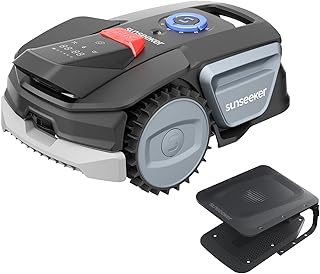
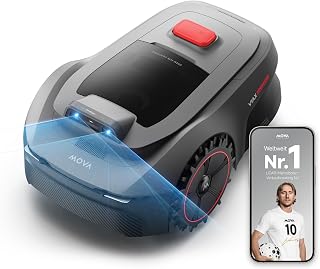
Garden power tools break down into five major types, each solving a different problem. Lawn mowers (Rasenmäher) handle grass cutting and come as corded electric, battery-powered, or petrol models. Robotic mowers (Mähroboter) automate the job entirely, running on a schedule while you do something else. Hedge trimmers (Heckenschere) cut and shape hedges and shrubs. Pressure washers (Hochdruckreiniger) clean patios, walls, garden furniture and driveways with high-pressure water jets. Leaf blowers (Laubbläser) clear leaves, grass clippings, and light debris from paths and lawns.
The subcategories are not interchangeable – a pressure washer cannot replace a leaf blower, and a robotic mower cannot replicate the precise edging of a walk-behind mower. Before you buy anything, map your garden's actual tasks across a full year. Many buyers spend too much on a tool that handles one seasonal job when a simpler, cheaper option would do just as well.
Lawn Mowers and Robotic Mowers: Which Setup Makes Sense for You?
For traditional lawn mowers, the key factors are lawn size, terrain, and how much physical effort you want to invest. Battery-powered models (typically 36V–82V systems) are quiet, low-maintenance, and well-suited to lawns up to roughly 600–800 m². Petrol mowers deliver more raw power for large, uneven or steep lawns but require more upkeep. Corded electric mowers are the most affordable entry point but limit your range.
Robotic mowers have matured significantly and are now a realistic choice for many homeowners. The biggest technology shift in recent years is the move away from perimeter wire systems toward GPS- and LiDAR-based navigation. Wire-free models like the TerraMow V600 (around €1,000) or the Segway Navimow i208 and i210 series (roughly €900–€1,400) use satellite or LiDAR positioning to define boundaries via an app, eliminating the tedious installation of boundary cables. High user ratings (4.7–4.8/5 across these models) reflect genuine satisfaction, though initial app setup can have a learning curve.
For robotic mowers, always check the rated area against your actual lawn size – manufacturers often quote maximum areas under ideal conditions. Slope tolerance (usually specified in degrees or percent grade), obstacle detection quality, and rain sensor reliability are equally important criteria that specs sheets sometimes downplay.
Hedge Trimmers, Pressure Washers, and Leaf Blowers: Key Buying Criteria
Hedge trimmers vary mainly by blade length, tooth gap, and power source. Battery-powered models (18V–36V) are sufficient for most domestic hedges. If you have very thick, established hedges or need to work for extended periods, a petrol model gives more sustained power. Blade length of 45–60 cm is a practical all-rounder; longer blades suit tall formal hedges but are heavier and harder to control for beginners. Always check the tooth gap – a wider gap (26–28 mm) handles thicker branches without jamming.
Pressure washers are rated by pressure (bar) and flow rate (l/h). For home garden use – patio slabs, garden furniture, a car – a cold-water unit in the 110–150 bar range is almost always sufficient and considerably cheaper than professional-grade machines. Higher pressure sounds impressive but can damage wood decking, soft stone, and render. Look at flow rate too: a machine with 130 bar and 450 l/h cleans faster in practice than one with 150 bar and 280 l/h.
Leaf blowers come as handheld, backpack, or wheeled vacuums. For small gardens and paths, a battery handheld model is practical and low-noise. Backpack blowers distribute weight for larger areas but cost more. Pay attention to airspeed (m/s) and air volume (m³/h) together – a high-speed but low-volume blower struggles with wet leaves. Vacuum-mulch functionality is a genuine advantage if you want to reduce waste volume.
Common Buying Mistakes and What to Watch Out For
Buying based solely on wattage or bar pressure is one of the most common errors. These headline numbers rarely tell the full story – runtime, ergonomics, noise level, and build quality matter just as much in day-to-day use. Read verified user reviews specifically for long-term durability reports, not just first impressions.
Another frequent mistake is ignoring ecosystem compatibility. Most major brands (Bosch, Makita, Gardena, EGO, Husqvarna) have built battery platforms where one battery works across multiple tools. If you already own two tools from one brand's battery system, adding a third often costs significantly less because you skip the battery and charger. Buying across different systems means accumulating chargers and incompatible batteries.
Finally, buyers regularly underestimate the importance of after-sales support – availability of spare blades, replacement parts, and service centers. For robotic mowers especially, firmware updates and app support matter: check that the manufacturer has a track record of maintaining software for older models before committing to a premium price.
Care, Maintenance, and Safe Use
Most garden power tools require modest but consistent maintenance to perform well over many years. For mowers and robotic mowers, keep blades sharp – blunt blades tear grass rather than cutting it cleanly, stressing the lawn and creating a rough, yellowed appearance. Robotic mower blades are typically small and inexpensive; replacing them every 1–3 months depending on lawn size is good practice.
Pressure washers should be drained and stored frost-free in winter; water left in the pump can freeze and crack the housing. For petrol tools, either run the fuel tank empty before long storage or add a fuel stabilizer – stale petrol is the leading cause of starting problems in spring. Battery tools should be stored with the battery partially charged (around 40–60%) in a dry, temperature-stable location – not in an unheated shed during a hard winter.
For hedge trimmers and leaf blowers, clean ventilation slots regularly to prevent motor overheating. Hedge trimmer blades benefit from a light spray of resin-dissolving spray and a wipe-down after each use; dried plant sap dramatically increases friction and motor load.
Honest Price-Performance Assessment
Entry-level garden power tools – basic corded lawn mowers, simple hedge trimmers, or handheld leaf blowers – often deliver solid results for modest gardens at €50–€150. The jump to mid-range battery systems (€150–€400) brings genuine quality-of-life improvements: less noise, no cable management, and better integration into battery ecosystems. This is where most homeowners with average-sized gardens will find the best value.
Premium territory (€400–€600+ for conventional tools, €800–€1,500+ for robotic mowers) delivers meaningful gains in runtime, build quality, and features – but the law of diminishing returns applies quickly. A wire-free robotic mower at around €900–€1,000 is a compelling purchase for someone with a medium-sized, reasonably simple lawn who genuinely values their time. Spending €1,400+ makes more sense for larger or more complex gardens, or where advanced features like multi-zone mapping or more precise obstacle avoidance are genuinely needed.
Avoid the trap of buying cheap tools repeatedly. A budget pressure washer that fails after two seasons often costs more over five years than a mid-range model bought once. Look for brands that offer at least a two-year warranty and have a genuine spare parts supply chain.
Frequently asked questions
- Do wire-free robotic mowers actually work as well as traditional boundary-wire models?
- For most standard garden shapes, yes – modern LiDAR and GPS-based systems like the Segway Navimow series handle typical lawns reliably. Complex gardens with many narrow passages, dense obstacles, or very irregular shapes can still challenge wire-free systems. Check user reviews specifically for gardens similar in shape and size to yours before buying.
- How do I choose the right pressure washer bar rating for home use?
- For typical domestic tasks – patio slabs, garden furniture, garden walls, cars – 110–140 bar is sufficient. Higher pressure can damage softer surfaces like wood decking or old render. Pay as much attention to the flow rate (l/h) as to the pressure figure, since flow rate largely determines cleaning speed.
- Is it worth investing in a single-brand battery system across multiple garden tools?
- Generally yes, especially if you plan to own three or more tools. The upfront investment in a quality battery and charger pays off as you add tools – you buy blade units only, which are noticeably cheaper. Check that the brand you choose has a broad tool lineup and a realistic roadmap for continuing the same battery platform.
- When should I service or sharpen my lawn mower blade?
- A rough rule of thumb is every 20–25 hours of use, or at least once per season for average home lawns. Signs that a blade needs attention include torn or frayed grass tips, an uneven cut height, or increased vibration. For robotic mowers with disposable blades, inspect them monthly and replace at the first sign of visible wear.
Editorial guide, last updated 2026-06-13. Product examples are for orientation; the price shown on Amazon at checkout applies.