🔥 BBQ Grills
Choosing the right BBQ grill can be genuinely overwhelming — the market ranges from compact tabletop units to full-sized outdoor kitchens, and the differences in fuel type, build quality, and features matter more than most buyers expect. This guide walks you through the main grill types, what separates a good buy from a regrettable one, and what to realistically expect at different price points so you can make a confident, well-informed decision.


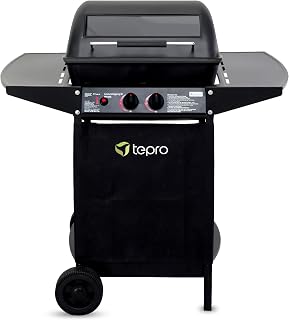
Gas, Charcoal, Electric, or Pizza Oven: Which Type Suits You?
The biggest decision you'll make is fuel type, and it shapes everything else — flavor, convenience, cost, and where you can legally use the grill. Gas grills (Gasgrills) are the most popular choice for everyday outdoor cooking. They heat up quickly, offer precise temperature control via burner knobs, and require minimal cleanup. They do need a propane or butane canister or a natural gas connection, and they add ongoing fuel costs. Entry-level models like the Enders Urban II Pro sit around €175 and work well for small patios or balconies. Mid-range options such as the Weber Spirit E-210 or E-310 (roughly €430–€440) are widely regarded as durable, reliable workhorses with solid warranty support — they're often cited as benchmarks in their class.
Charcoal grills (Holzkohlegrills) are loved for the authentic smoky flavor they produce, which gas simply cannot replicate. They take longer to reach cooking temperature (typically 20–30 minutes) and require more cleanup afterward, but they're often cheaper to buy upfront and give you more flexibility with smoking and indirect cooking techniques. They suit people who treat grilling as a ritual rather than a chore.
Electric grills (Elektrogrills) are the pragmatic choice for apartment balconies where open flames are prohibited. They heat quickly, are easy to clean, and require nothing but an outlet — but they won't produce the same high sear temperatures or smoky flavor as their gas or charcoal counterparts. Pizza ovens are a growing niche: designed to reach very high temperatures (often 400°C+), they're purpose-built tools that go far beyond pizza if you learn their quirks. They're best treated as a complement to a primary grill rather than a replacement.
Key Buying Criteria You Should Actually Check
Cooking area is the most practical spec to evaluate. A single-burner tabletop grill might offer 1,500–2,000 cm² of cooking surface, which comfortably handles two to four people. If you regularly cook for six or more, look for at least 3,000 cm² or a model with multiple burners — the Weber Spirit E-310's three-burner layout, for example, lets you set up proper indirect cooking zones, which is essential for thicker cuts and whole poultry.
Burner power (measured in kW or BTU) is frequently misused as a marketing metric. More BTU does not automatically mean better grilling — what matters is how efficiently the grill retains and distributes heat. Look for heavy cast-iron or stainless-steel grates, a well-sealed lid, and a cooking chamber that doesn't lose heat rapidly. Flimsy thin-steel lids are a common failure point on cheaper models.
Build quality and materials deserve close attention. Stainless steel components resist rust but vary enormously in thickness — 304-grade stainless is more durable than cheaper alloys. Porcelain-enameled cast-iron grates hold heat well and are easy to clean. Check that the frame, side shelves, and wheel casters feel sturdy if you're buying a cart-style model. A wobbly grill trolley is both annoying and a safety hazard. Also factor in ignition reliability: a push-button piezo igniter should light consistently without needing a match as backup.
Common Buying Mistakes to Avoid
Buying too small is one of the most frequent regrets. People estimate their needs based on everyday cooking, then host a birthday party and realize they can't fit enough food on the grill. If you're unsure, size up rather than down — you can always cook less food on a large grill, but you can't cook more food than the surface allows.
Ignoring total cost of ownership is another trap. A cheap charcoal grill might cost €60 upfront, but if the grates rust out within a season and replacement parts are unavailable, you've wasted money. Similarly, gas grills with proprietary regulator fittings or non-standard gas connections can make refueling inconvenient and expensive. Check whether the manufacturer sells replacement parts and how easy they are to source.
Overestimating BTU numbers and underestimating lid quality is a classic error, especially with heavily marketed lower-cost gas grills. Some models advertise very high burner output but have thin steel lids that let heat escape constantly, resulting in uneven cooking and longer grill times. Read verified user reviews specifically for heat retention and consistency rather than focusing on the spec sheet alone.
Essential Accessories Worth Budgeting For
A good instant-read meat thermometer is arguably more important than many people realize. Guessing doneness by touch or timer is imprecise and can lead to both overcooked and, more seriously, undercooked food. A reliable digital thermometer costs between €15 and €40 and will meaningfully improve your results across every grill type.
Grill grate brushes and scrapers are essential for maintenance — use them while the grates are still warm after cooking, not cold. For cast-iron grates, a stainless-steel brush works well; avoid wire brushes where bristles can detach (a genuine safety concern). Grill mats or planks (cedar, for example) expand what you can cook and protect delicate food from falling through the grates.
For gas grills, a gas level indicator or simple kitchen scale lets you monitor remaining fuel so you don't run out mid-cook. A quality grill cover tailored to your model's dimensions is one of the best long-term investments you can make — UV and moisture protection significantly extends the life of the grill's exterior and electronics, particularly in climates with harsh winters or frequent rain.
Usage and Care Tips That Actually Make a Difference
Preheating is often skipped but matters enormously. Gas grills should run on high with the lid closed for 10–15 minutes before cooking. This burns off residue from the previous session, sterilizes the grates, and ensures the cooking surface is uniformly hot when food hits it. Cold grates cause food to stick and reduce sear quality.
For gas grills, inspect the burner tubes and gas connections at the start of each season. Spider webs and insect nests inside burner tubes are a common and genuinely dangerous problem that causes uneven flames and potential flare-ups. A simple pipe cleaner resolves it. Check hoses for cracks or stiffness annually and replace them if in doubt — gas hose replacement is inexpensive compared to the alternative.
Charcoal grills benefit from proper ash management. Empty the ash catcher after every second or third session at most — accumulated ash retains moisture and accelerates corrosion from the inside out. Season cast-iron grates with a thin layer of cooking oil after cleaning to prevent rust. For electric grills, always let them cool completely before cleaning, and keep the heating element dry. Store any grill under a proper cover or in a sheltered location during extended periods of non-use.
Honest Price-Performance Assessment
Below €150, options are mostly compact tabletop gas grills or basic charcoal kettles. These can work perfectly well for occasional use or small households — the Enders Urban II Pro at around €175 sits just above this threshold and represents a reasonable step up in build quality for a compact gas model. Manage expectations: thin steel, basic ignition, and limited cooking space are the norm at this level.
The €200–€400 range is where mid-market gas grill wagons like the TAINO RED 4+1 (around €220) appear. These offer more burners and larger cooking surfaces, but quality can vary significantly between brands. Read reviews carefully for long-term durability; some models look impressive but have build quality that degrades noticeably after two or three seasons.
From €400 upward, you enter a tier where manufacturers like Weber offer proven longevity, widely available spare parts, and consistent heat performance backed by multi-year warranties. The Weber Spirit series is a common reference point at this level — not because it's the only option, but because it has a long documented track record. If you grill regularly and plan to keep the unit for five or more years, investing at this level typically makes more financial sense than replacing a cheaper grill every two to three seasons.
Frequently asked questions
- Is a gas grill or charcoal grill better for beginners?
- Gas is generally easier to start with — you get reliable ignition, adjustable heat, and less cleanup. Charcoal delivers better flavor but requires more patience and practice to manage temperature properly. If convenience matters most, start with gas.
- Can I use a gas grill on an apartment balcony?
- It depends on your building rules and local regulations. Many apartment leases and fire codes prohibit open-flame gas grills on balconies. Check your rental agreement and local fire code first. Electric grills are usually the safest legal option for balcony use.
- How many burners do I actually need?
- Two burners are sufficient for two to four people and everyday cooking. Three or more burners allow you to create separate heat zones (direct and indirect), which is important for cooking thicker cuts, whole chickens, or doing low-and-slow BBQ. If you regularly cook for larger groups, three burners is the practical minimum.
- How often should I clean my grill, and what's the minimum I should do?
- After every use, brush the grates while still warm to remove residue. Do a deeper clean — including burner tubes, drip trays, and the interior of the cooking chamber — at least once per season, ideally at the start and end. Neglecting this shortens the grill's lifespan and can cause flare-ups.
Editorial guide, last updated 2026-06-13. Product examples are for orientation; the price shown on Amazon at checkout applies.