🧹 Vacuum Cleaners
Choosing the right vacuum cleaner depends far more on your floor type, living situation, and habits than on raw suction power numbers. This guide breaks down every major category – from robot vacuums and cordless stick cleaners to steam cleaners and window vacuums – and explains what specs actually matter. By the end, you'll know exactly which type fits your home and budget.


Types of Vacuum Cleaners and Who They Suit
The market splits into several distinct categories, each with real trade-offs. Traditional bagged or bagless upright and canister vacuums remain the most thorough option for deep-cleaning carpets and large homes. They offer consistent suction without battery limits, but require storage space and involve dragging a cord around.
Cordless stick vacuums (Akkusauger) have become the everyday workhorse for many households. They are lightweight, quick to grab, and handle hard floors and low-pile carpets well. Battery runtime is the key constraint – most models manage 20 to 45 minutes on a standard setting, less on high-power mode. They suit apartments, smaller homes, or anyone who wants low-friction daily cleaning.
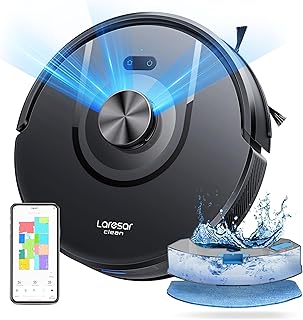
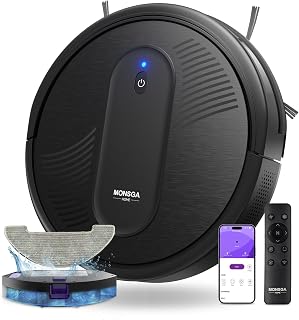
Robot vacuums (Saugroboter) are ideal for maintaining clean floors automatically, especially on hard surfaces. Many current models combine vacuuming with a mop function, as seen in examples like the Proscenic Q10+ or VONKO S6 Pro. They work best as a supplement to a more powerful vacuum rather than a full replacement, particularly if you have thick carpets, lots of furniture legs, or pets that shed heavily.
Key Buying Criteria: What the Specs Actually Mean
Suction power is often advertised in Pascal (Pa) or watts, but neither figure alone tells you cleaning performance. A robot vacuum listing 7000 Pa means little without knowing brush design, airflow efficiency, and navigation quality. Focus on independent user reviews and real-world tests over headline specs.
For robot vacuums, navigation technology is critical. Laser-based LiDAR mapping creates accurate floor plans and cleans systematically; camera-based systems can work well but may struggle in low light; random-bounce navigation is the least efficient. If you have a multi-room home, LiDAR mapping is worth paying for.
For cordless stick vacuums, battery capacity (Wh) and whether the battery is removable matter more than motor wattage. A removable battery means you can carry a spare or replace it when it degrades. For steam cleaners (Dampfreiniger), heat-up time, water tank size, and available attachments determine day-to-day usability. Window vacuums (Fenstersauger) are a niche but genuinely useful tool for streak-free glass and tile – look for squeegee width and battery runtime.
Bags, Filters, and Ongoing Costs
Bagged vacuums (Beutel) are often underrated. Bags contain dust hygienically, reduce the risk of fine particles re-entering the air, and are easier to empty without mess – important for allergy sufferers. The running cost of replacement bags is real, typically a few dollars per bag, so factor that into your budget.
Bagless models require regular filter cleaning and periodic filter replacement. A HEPA filter is worth seeking out if anyone in the household has allergies or asthma – it traps particles down to 0.3 microns. Neglecting filter maintenance is the single most common reason vacuum performance degrades over time. Check how easy filters are to access and clean before buying.
For robot vacuums, consumable costs include replacement brushes, filters, and – if the model has a self-emptying dock – dust bags for the dock itself. These docks add convenience but also add cost and another consumable to manage.
Common Buying Mistakes to Avoid
Buying purely on suction power is the most frequent error. A well-designed brush roll and airflow path outperform a high-wattage motor with poor engineering. Similarly, robot vacuum buyers often overestimate how autonomous these devices truly are – they need their filters cleaned, brushes cleared of hair, and sensors wiped regularly to maintain performance.
Underestimating battery runtime needs is another common issue with cordless vacuums. If you have a two-story home or more than 1,000 square feet, a single charge may not cover everything. Either choose a model with a long-lasting battery or one with hot-swappable battery packs.
Finally, avoid ignoring noise levels if you plan to use the vacuum during early mornings, late evenings, or in apartments with thin walls. Robot vacuums in particular can be surprisingly loud. Noise ratings in decibels are sometimes listed in specs and are worth checking.
Honest Price-Performance Assessment
In the robot vacuum segment, models in the €100–€150 range (such as some of the examples listed above) typically offer basic LiDAR or gyroscope navigation, combined vacuum-and-mop functions, and decent app control. They represent solid value for smaller, clutter-free homes. Spending €200–€350 generally gets you more reliable mapping, better obstacle avoidance, and stronger build quality. Above €400, you're typically paying for self-emptying docks, advanced mop-lifting features, or auto-wash stations – genuinely useful if maintenance convenience is a priority, but not essential for everyone.
For cordless stick vacuums, the €80–€150 segment covers everyday cleaning adequately for hard floors and light carpet. Above €200, you get better filtration, more versatile attachments, and significantly improved battery life. The highest-end models above €400 approach the cleaning depth of a corded vacuum but at a considerable premium.
Steam cleaners and window vacuums are relatively affordable categories. A decent steam cleaner for floors and surfaces starts around €60–€80; a reliable window vacuum around €30–€50. Spending more buys you faster heat-up, larger tanks, and more attachments rather than fundamentally better cleaning.
Care and Maintenance Tips for Long-Term Performance
Empty dustbins or replace bags before they are completely full – a full bin reduces suction noticeably. For robot vacuums, clean the brush rolls after every few uses, especially in households with long hair, which wraps around axles and can strain the motor.
Wipe sensors and cameras on robot vacuums with a dry cloth weekly. Dirty cliff sensors can cause erratic behavior or missed areas. For steam cleaners, descale the water tank regularly according to the manufacturer's schedule – limescale buildup is the primary cause of early failure in these devices. Use distilled or filtered water if your tap water is hard.
Store cordless vacuums according to manufacturer guidance – many lithium batteries last longer when stored partially charged rather than fully drained or at 100%. Replacing a degraded battery is usually possible and far cheaper than buying a new vacuum, so check parts availability before purchasing.
Frequently asked questions
- Is a robot vacuum good enough as my only vacuum cleaner?
- For hard floors and low-pile rugs in a tidy home, a good robot vacuum can handle daily maintenance very well. However, most lack the deep-cleaning power for thick carpets, can't reach stairs, and struggle with clutter. For most households, a robot vacuum works best alongside a stick or canister vacuum used once a week.
- What suction power do I actually need in a robot vacuum?
- For hard floors, even modest suction is sufficient. For carpets or homes with pets, look for higher suction ratings and a dedicated rubber brush roll rather than bristle-only designs. The navigation system and brush quality matter more than the Pa number alone.
- How often do I need to replace filters and bags?
- Bags should be replaced when two-thirds full or when you notice suction dropping. HEPA filters in bagless vacuums typically need cleaning every month and full replacement every 6–12 months depending on use. Check your model's manual – neglecting this is the most common cause of reduced performance.
- Are self-emptying robot vacuum docks worth the extra cost?
- If you dislike emptying the dustbin after every run or want fully autonomous operation, a self-emptying dock is genuinely useful. Keep in mind it adds ongoing costs for dock bags and requires more space. For most people running the robot a few times a week, manually emptying the bin is not a major burden, and the savings can be substantial.
Editorial guide, last updated 2026-06-13. Product examples are for orientation; the price shown on Amazon at checkout applies.