💆 Wellness & Massage
The wellness and massage category covers a wide range of devices, from compact massage guns you can toss in a gym bag to full recline massage chairs that anchor a room. This guide walks you through the main types, what separates a genuinely useful device from a dusty shelf ornament, and how to spend your money wisely across every budget tier.





Understanding the Main Types and Who They Suit
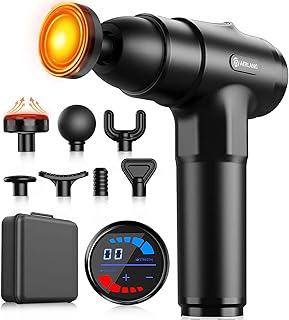
The category breaks into five practical groups, each solving a different problem. Massage guns (Massagepistolen) use rapid percussive strokes to work deep into muscle tissue — they're popular with athletes, frequent gym-goers, and anyone dealing with post-workout soreness or tight shoulders. Devices like the Renpho or Bob and Brad massage guns have made this technology accessible at under $60, though professional-grade models exist well above $200.
Massage seats and cushions (Massagekissen, Massagesitzauflage) sit somewhere between a full chair and a handheld device. Products like the Naipo massage cushion or a Medisana seat overlay attach to your existing chair or sofa and deliver kneading or shiatsu-style massage to your back and lumbar region. They suit people who want daily relief without committing floor space or a large budget to a full massage chair.
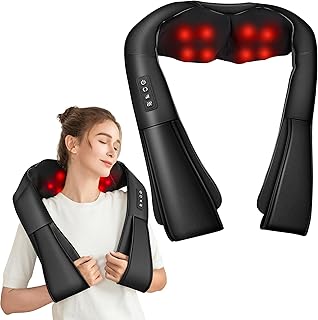
Foot massagers target the sole, arch, and heel — genuinely useful for people who stand all day, runners, or anyone with plantar discomfort. Neck massagers (Nackenmassage) such as Beurer's shiatsu wrap-around models handle one of the most common tension hotspots for desk workers. Finally, aroma diffusers belong here as a complementary wellness tool: they disperse essential oils into the air, creating an ambient environment that supports relaxation — though they have no direct physical massage effect and should be chosen accordingly.
Key Buying Criteria You Should Actually Check
For massage guns, the most important specs are stall force (how much pressure the motor can sustain before stopping), stroke length (amplitude), and noise level. A stall force below 20 lbs suits light use; 40+ lbs handles serious muscle work. Noise matters more than brands admit — check decibel ratings if you plan to use the device while watching TV or in an office. Battery life and the quality of included attachment heads are also worth comparing.
For cushions and seat overlays, focus on the size of the massage nodes and the area they cover. Some units only reach the upper back; others extend to lumbar and even the thighs. Heat function is a genuine comfort add-on (not a gimmick) for muscle relaxation, but check whether it can be used independently of the massage motor. Auto-shutoff timers are a practical safety feature, not just a box to tick.
For foot massagers, the distinction between air-compression models and rotating-node models matters: air compression suits swelling and circulation; rotating nodes provide deeper kneading relief. Check that your foot size actually fits — many units cap out around EU 46. For aroma diffusers, tank capacity determines how long the device runs between refills, and the coverage area (in square meters) tells you whether it's suited to a small bedroom or a living space.
Common Buying Mistakes to Avoid
The most frequent mistake is buying a device for a body part you don't actually need help with. A full-coverage massage chair is wasted investment if your only issue is neck stiffness after work — a targeted neck massager at a fraction of the cost will serve you better. Conversely, a small massage cushion won't satisfy someone who genuinely wants whole-body relaxation sessions.
Overestimating how often you'll use a high-end device is another common error. Honest self-assessment matters: if you're likely to do a five-minute back massage three times a week rather than daily hour-long sessions, a mid-range cushion at $50–80 makes more sense than a $300 massage chair attachment. Check return windows carefully — many wellness devices are hard to return once opened, especially larger items.
For massage guns specifically, buyers often focus on RPM (revolutions per minute) as a quality indicator when stall force and amplitude are far more relevant to actual performance. A gun running at 3,200 RPM with low stall force will stall the moment you apply real pressure — which is exactly when you need it most.
Usage and Care Tips for Long-Term Value
Massage guns should never be pressed directly onto joints, the spine, or bony prominences — they're designed for muscle belly tissue. Start on a lower speed setting and work up; using maximum power immediately on a tense, cold muscle can cause more discomfort than relief. Wipe attachment heads with a damp cloth after each use, and store them in the included case to prevent contamination.
Massage cushions and seat overlays should be limited to the auto-shutoff interval (usually 15–20 minutes) even if the device allows manual override. Extended continuous use can cause skin irritation, particularly over bony areas. Unplug the unit when not in use and check the power cable periodically for wear — these devices sit under significant mechanical stress from vibration.
For aroma diffusers, always use water-soluble essential oils rated for diffusers, and clean the tank weekly with a cotton swab and a little white vinegar to prevent mold or mineral buildup. Never run the diffuser dry, as this can damage the ultrasonic membrane. Essential oils vary widely in quality; buying from reputable suppliers matters more than the diffuser brand itself.
Honest Price-Performance Assessment
At the entry level ($30–60), you'll find massage guns with limited attachment options and modest stall force, basic neck wrap massagers, and small foot massagers. These are genuinely useful for light, regular use — the category has matured enough that cheap no longer means broken. Brands like Renpho have built solid reputations in this tier with consistently high user ratings.
The mid range ($60–150) is where most buyers will find the best balance. Massage guns here deliver real percussive power, longer battery life, and quieter motors. Seat overlays in this range tend to cover more body area and add heat. Beurer's shiatsu neck massagers sit in this band and represent thoughtful engineering for a very targeted use case.
Above $150, you enter diminishing returns for most home users. Full massage chairs occupy a category of their own ($500 and up) and are worth considering only if you have the space and use them frequently enough to justify the footprint. Professional-grade massage guns above $200 offer meaningful gains in stall force and build quality for serious athletes, but the gap between a $60 and a $250 gun is much smaller than marketing suggests for casual everyday use.
Frequently asked questions
- Can a massage gun replace professional sports massage?
- No — and it shouldn't be marketed as doing so. A massage gun is a useful self-care tool for maintenance and recovery, but it cannot replicate the assessment, technique variety, and adaptive pressure of a trained therapist. Use it as a complement, not a substitute, especially for persistent or injury-related pain.
- Is a massage chair attachment (seat overlay) as good as a real massage chair?
- They serve different purposes at very different price points. A seat overlay delivers localized back and lumbar massage and is genuinely effective for daily tension relief. A full massage chair offers broader body coverage, recline functions, and zero-gravity positions. If budget and space allow only one, the overlay is the practical choice for most people.
- Are aroma diffusers safe to use all night while sleeping?
- Most ultrasonic diffusers are low risk, but running any electrical device unattended overnight is worth doing cautiously. Use a model with an auto-off timer or a low-volume intermittent mode. Certain essential oils (eucalyptus, for example) can be irritating in confined spaces over long periods, so ventilation matters too.
- What should I look for if I have wide or large feet and want a foot massager?
- Check the manufacturer's stated maximum foot size before purchasing — many models cap at around EU 45–46 (US 11–12). Also look at the opening width, not just length. Air-compression foot massagers tend to accommodate a wider range of foot sizes than fixed rotating-node models, as the chambers adjust to the foot rather than requiring it to fit a fixed slot.
Editorial guide, last updated 2026-06-13. Product examples are for orientation; the price shown on Amazon at checkout applies.